

Dental implants are designed to offer a stable and long-lasting solution, but they are not maintenance-free. Even though the artificial crown cannot decay, the tissues surrounding the implant remain exposed to plaque buildup, inflammation, and the consequences of insufficient cleaning.
Proper dental implant maintenance combines daily hygiene, periodic check-ups, and personalized professional sessions. It is this continuity, even more than the single procedure, that protects the results achieved over time.
Why dental implants require proper maintenance
An implant replaces the tooth root, while the crown or prosthesis restores the visible and functional part. However, the gums and bone remain around the implant: living tissues that must be kept healthy.
If plaque builds up near the gum line, peri-implant mucositis can occur—an inflammation of the soft tissues that often causes redness or bleeding. If not intercepted and treated, in some cases it can evolve into peri-implantitis and involve the bone supporting the implant as well.
Maintenance therefore serves to prevent problems, but also to quickly recognize the first signs. A regularly checked implant can be managed before a minor issue becomes more complex.
How to clean dental implants every day
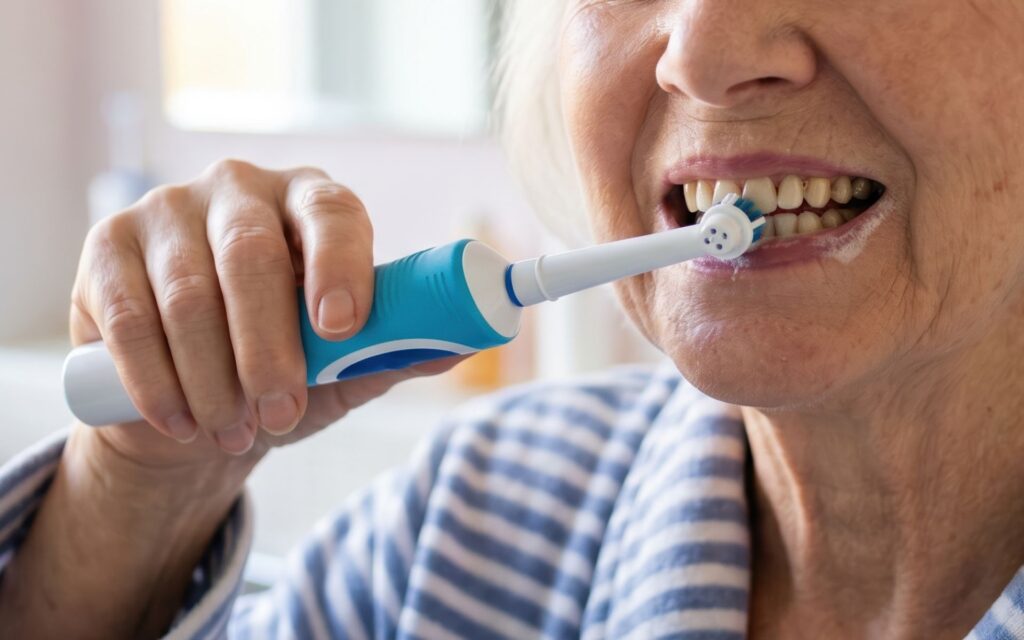
Daily cleaning must reach not only the surface of the crown, but especially the point where the prosthesis meets the gum. This is where food debris and plaque tend to accumulate most easily.
Depending on the type of restoration, the dentist or hygienist may recommend different tools:
- a manual or electric toothbrush, used with gentle movements along the gum line;
- interdental brushes of the correct size for the spaces between implants and teeth;
- specific floss or superfloss to reach areas under bridges and prostheses;
- a water flosser as support, without considering it a substitute for mechanical cleaning.
Those wearing a fixed prosthesis on multiple implants must pay particular attention to the space underneath. A stable structure does not mean a structure that can be neglected: what is not visible must still be cleaned every day.
Periodic check-ups and professional hygiene: why they are fundamental for implant maintenance
Even good home cleaning cannot reach every area. For this reason, check-ups and professional hygiene are part of the implant treatment and are not an optional addition.
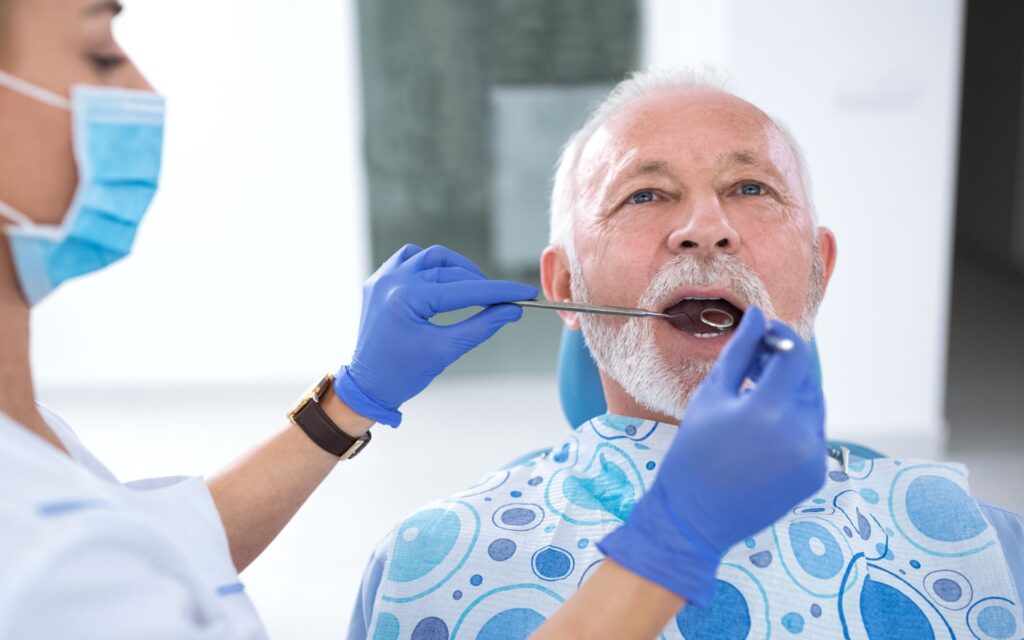
During appointments, the professional checks the condition of the gums, the presence of bleeding, the stability of the prosthesis, and the way the teeth come into contact during chewing. When necessary, they can also check the bone level with targeted exams for a thorough diagnosis.
The frequency of follow-up appointments is not the same for everyone. Those who have had periodontitis, smoke, have difficulty cleaning, or have an extensive restoration may need more frequent check-ups. The schedule must be defined based on individual risk, not just on the time elapsed since the surgery.
What can compromise the lifespan of dental implants
The lifespan of an implant depends on many factors. Some concern the quality of the initial treatment, others the patient’s behavior and maintenance over time.
Elements that should not be underestimated include:
- incomplete or inconsistent cleaning
- smoking, which can interfere with tissue health and healing
- inadequately controlled diabetes
- bruxism and excessive loads on the prosthesis
- failure to attend scheduled check-ups
- the presence of untreated or uncontrolled periodontitis
Bleeding, swelling, a persistent bad taste, pain, or a sensation of mobility should not be ignored. A well-integrated implant should not move: if anything changes, it is important to contact the center without waiting.
Choose Resta in Italia to take care of your implants over time
An implant does not end on the day the final prosthesis is applied.
From that moment, an equally important phase begins, consisting of check-ups, professional hygiene, and small maintenance interventions when needed.
Choosing Resta in Italia means being able to count on a nearby point of reference even after treatment. The team knows your case, can monitor progress over time, and intervene quickly if there is a doubt or a problem.
This is one of the most concrete advantages compared to treatment far from home: not only receiving the implants, but knowing who to turn to to protect them over the years.
Would you like to receive personalized guidance on maintaining your implants?