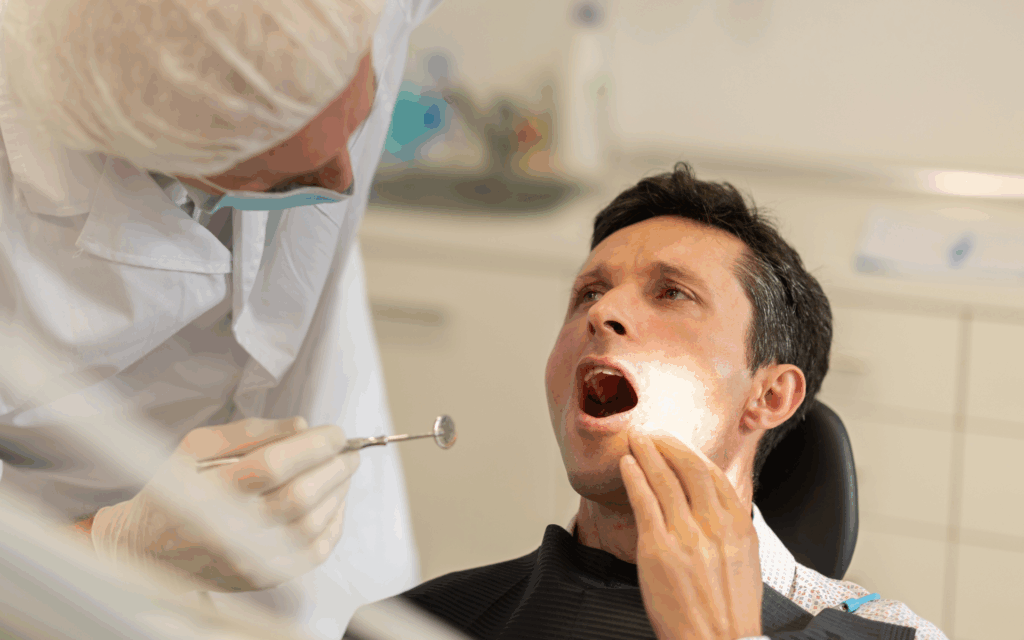


Receiving a dental implant is possible for many people, even at an advanced age or in the presence of conditions that were once considered a limitation. However, this does not mean that every procedure can be performed without a thorough evaluation.
Rather than always speaking of absolute prohibitions, it is often more accurate to distinguish between conditions that temporarily prevent treatment and risk factors that must be controlled before, during, and after the procedure.
Who can undergo dental implant surgery
Generally speaking, a candidate for implantology is someone who has completed bone growth, presents health conditions compatible with surgery, and has sufficiently healthy oral tissues.
Age alone is not a contraindication. An elderly person in good general health may be more suitable for the procedure than a young patient with an uncontrolled pathology, poor oral hygiene, or habits that compromise healing.
In modern implantology, the decision is therefore based on a combination of medical history, examination, tests, and expectations. The goal is not just to insert the implant, but to create the conditions for it to integrate and remain stable over time.
The main conditions requiring a thorough evaluation before performing a dental implant
There are situations where implantology may require more caution, collaboration with the treating physician, or a preparatory phase. Not all of them automatically lead to exclusion from treatment.
Smoking, diabetes, and systemic diseases
Smoking can reduce the tissues’ ability to heal and increase the risk of complications around the implants. Quitting or significantly reducing smoking is an important part of treatment preparation.
Diabetes also requires attention, especially when it is not well controlled. Good glycemic balance and coordination with the doctor can make the procedure possible in many cases.
Cardiovascular pathologies, coagulation disorders, immune conditions, and certain oncological therapies must be evaluated individually. The specialist must know the complete clinical history and all medications taken, including those the patient considers routine.
Reduced bone quantity: is it really a limit?
Reduced bone quantity does not always represent a definitive contraindication. Depending on the case, regeneration techniques, implants with different characteristics, or advanced solutions for more significant atrophy can be considered.
The choice depends on the area involved, the quality of the bone, and the type of planned rehabilitation. Simply saying “you don’t have enough bone” without further investigation is not enough: a specialist evaluation is needed to understand which alternatives are concretely available.
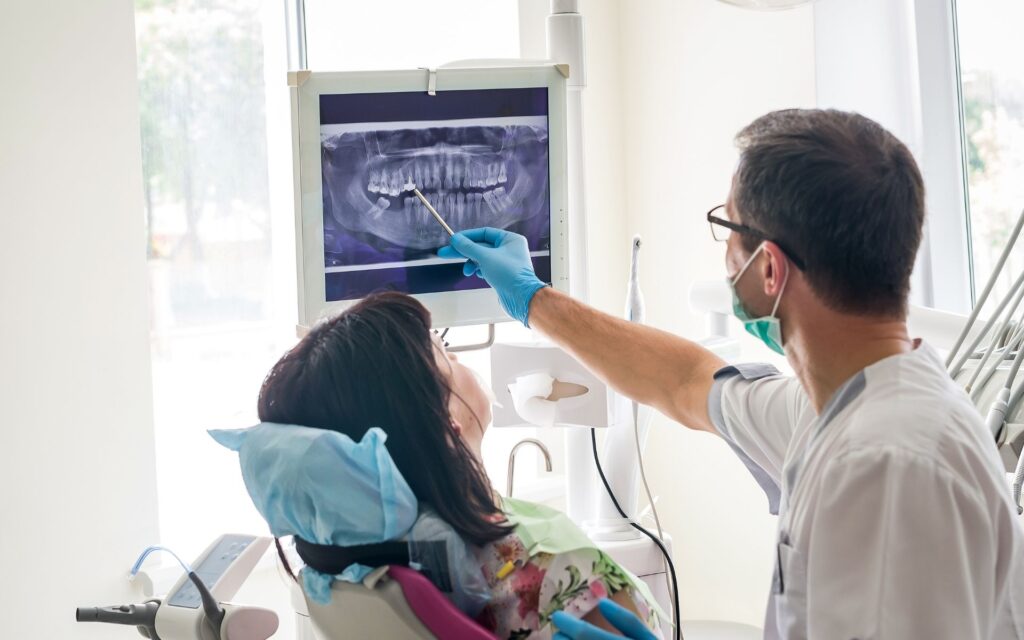
When it is necessary to postpone or modify implant treatment
Some conditions suggest not proceeding immediately. An active oral infection, uncontrolled periodontitis, or insufficient hygiene must be addressed before implant placement.
It may also be necessary to postpone in the presence of an unstable systemic disease, during specific therapies, or when the patient temporarily cannot undergo a surgical procedure.
In other cases, implantology is not abandoned, but the project is modified. The number and position of the implants may change, loading times, the type of prosthesis or the need for preparatory procedures.
Personalization is not a limitation: it is what makes the treatment safer.
Why a specialist visit is fundamental before implant surgery
Contraindications to dental implants cannot be evaluated through a list found online. Two people with the same diagnosis can have very different general conditions, habits, and anatomical characteristics.
During the first evaluation, it is important to collect:
- complete clinical and surgical history;
- a list of medications and supplements taken;
- any allergies or previous reactions;
- habits such as smoking and bruxism;
- the status of teeth, gums, and bone;
- the ability to follow hygiene and check-ups over time.
Only after this analysis can the specialist explain if the procedure is indicated, if the mouth needs preparation, or if an alternative solution is more prudent.
Choose Resta in Italia for a personalized evaluation of your case
When a clinical doubt exists, the proximity of the team becomes even more important. The treatment may require tests, consultation with other doctors, more frequent check-ups, or modifications to the treatment plan over time.
Choosing Resta in Italia means being able to face every step with a reachable point of reference, from the initial evaluation to healing. Without standard promises and without forcing a one-size-fits-all solution.
Even in the presence of a possible contraindication, the first step is not to give up: it is to understand precisely what risks exist and which conditions can be improved before the procedure.
Do you want to know if dental implants are right for you?